
By Naledi Mokoena | Kasi Business News Network (KBNN)
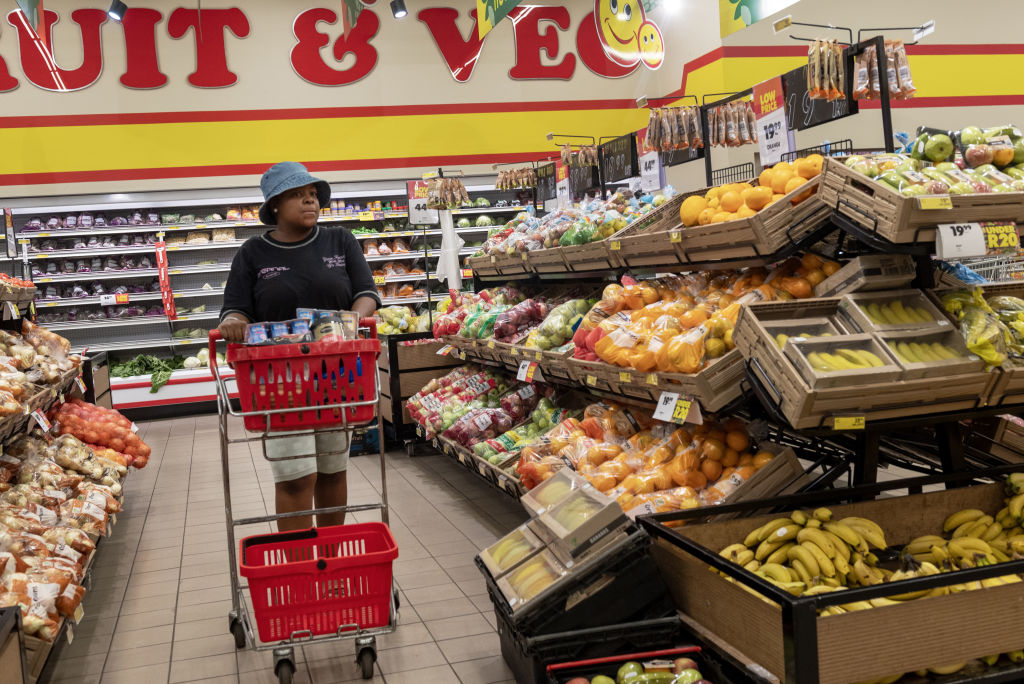
The township economy — once dominated by corner spaza shops and informal traders — is undergoing a dramatic retail evolution. From the familiar red-and-yellow of Shoprite to the community-adapted Pick N Pay Boxer, and now the disruptive entrance of Easy Price, the township retail basket is being reshaped by both legacy giants and bold new entrants.
As big retail players deepen their footprint in historically underserved areas, a new conversation is emerging along with questions that may possibly have…. Who truly owns the township basket? And who benefits from its growth?
Of course, legacy powerhouses have long been seen as having the advantage of economic scale.
Over the years, Shoprite, Usave, and Pick n Pay have strategically expanded into township spaces, bringing with them reliable supply chains, lower price points, and a promise of formal employment. Their presence has brought some stability to food pricing and product consistency. However, the model has often been top-down, treating townships as markets rather than communities.
PnP’s Boxer brand, in particular, has found success by localising its approach, with bulk-buying promotions, in-language marketing, and a more informal in-store atmosphere that resonates with township consumers. But even so, the profits still flow upwards, not sideways. But ownership, agency, and equity remain skewed, which presents an opportunity for new players like Easy Price to enter the market.
Spearheaded by entrepreneur Lekau Sehoana, best known for DRIP footwear, Easy Price aims to flip the model. It’s township-designed, township-priced, and township-conscious.
With a brand that speaks the local language — both literally and culturally — Easy Price promises more than competitive pricing. It promises participation. Its decentralised model includes local suppliers, township-based employment, and a narrative that celebrates the consumer not just as a buyer, but as a stakeholder in the brand.
“We’re not just trying to feed the township — we’re trying to grow with it,” says Sehoana. “The people deserve to own more than just the receipt. They must own the growth too.”
The struggle to survive runs deep in the township economy. Long before mainstream retailers and new players entered the scene, many township residents depended on spaza shops for their livelihoods.
The heart of township retail — the humble spaza shop — is being squeezed. Rising overheads, limited bulk-buying power, and inconsistent supply chains make it difficult for spaza owners to compete.
Still, many are innovating.
Thabang Molefe, a second-generation spaza shop owner in Tembisa, reflects: “In the past, it was about survival. Today, it’s about strategy. I’m part of a local buying group now — we negotiate better prices, share suppliers, and use WhatsApp to track demand trends. We’ve even started selling airtime and offering QR code payments.”
Thabang’s story is not unique. Across the country, spaza shops are morphing into micro-convenience hubs, adopting digital tools, forming co-ops, and building customer loyalty through community trust.
But they need more than grit. They need infrastructure, financial inclusion, and policy protection that recognises their cultural and economic role.
The future of township retail cannot be built on external dominance alone. It must include local ownership, entrepreneurial support, and inclusive innovation.
There is an opportunity — and responsibility — for big retailers to partner rather than displace. And for policymakers to create space for small retailers to grow alongside big players.
As KBNN, we continue to advocate for an inclusive township economy that doesn’t just count the rands spent, but considers who earns them, who reinvests them, and who decides where they go next.
Because the township economy is more than a market — it is a movement.