For more on the Kasi Tech Festival, CLICK HERE
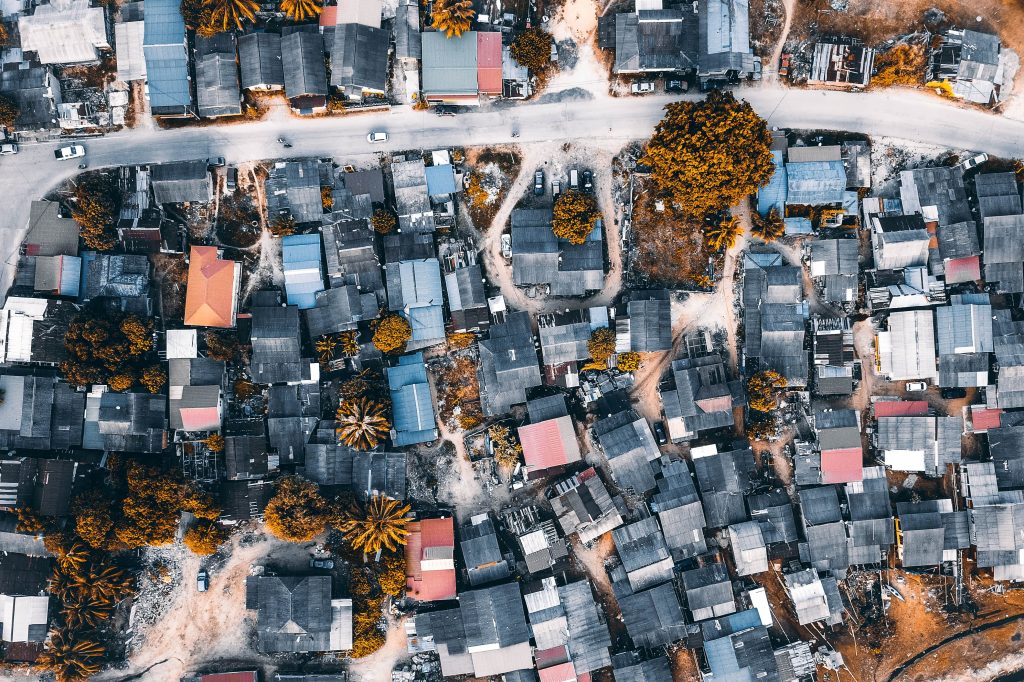
For decades, the township economy has been described as informal, resilient and entrepreneurial. Perhaps it is time we described it differently. The township economy is an economy in transition.
Across South Africa, township entrepreneurs are building businesses every day. Spaza shops, restaurants, salons, mechanics, manufacturers, transport operators, creative businesses and professional services are generating income, creating jobs and keeping local economies moving.
Yet many remain disconnected from the systems that enable businesses to scale, trade and become investment ready.
This is where technology and increasingly artificial intelligence present a significant opportunity.
The question is no longer whether technology belongs in the township.
The question is what happens when township entrepreneurs have the tools to use it.
From Survival to Scale
Consider the spaza shop.
For generations, spaza shops have been essential to township communities. But a technology-enabled spaza can become much more than a place to buy everyday essentials.
Imagine a business owner digitally tracking inventory, understanding which products sell, monitoring cash flow, accepting digital payments, managing suppliers and using AI to improve marketing and customer engagement.
The business begins generating something incredibly valuable: data.
Reliable business data can help entrepreneurs understand their businesses better and potentially strengthen their ability to access financial services, suppliers, partnerships and new markets.
Technology therefore becomes more than a convenience.
It becomes business infrastructure.
AI Is an Opportunity for Young Entrepreneurs
Artificial intelligence is often discussed in the context of large corporations and sophisticated technology companies.
But some of its most powerful applications could be much closer to home.
A young entrepreneur can use AI to develop marketing content, research markets, analyse customer feedback, manage administration or develop new ideas.
A restaurant can use digital tools to understand customer trends. A tourism entrepreneur can reach customers beyond their immediate community. A small manufacturer can use technology to improve planning and operations.
AI can lower some of the barriers to entrepreneurship. But access alone is not enough.
The real opportunity is teaching entrepreneurs how to turn technology into commercial value.
From Informal to Tradeable
There is an important distinction between formalising a business and building a tradeable business.
Formalisation matters. Businesses need appropriate registration, compliance, financial records and systems.
But the ambition should be bigger.
We need businesses that can trade with corporates, government, retailers, suppliers and international markets.
Businesses that can sell online. Businesses that can become suppliers. Businesses that can expand beyond their immediate communities.
The objective should not simply be to move a business from informal to formal.
It should be to move that business into sustainable economic participation.
Technology can help make that possible.
Making the Invisible Economy Visible
For years, the township economy has often been referred to as the “invisible economy.”
Not because economic activity isn’t happening, but because much of it isn’t adequately captured, measured or understood.
This creates challenges for entrepreneurs, investors, financial institutions, brands and policymakers.
Technology can change this.
Imagine a township economy where businesses can be digitally discovered, where entrepreneurs can build credible profiles, where opportunities can be mapped and where data can help us understand what businesses need to grow.
Visibility creates opportunity.
Building the Next Operating System
This is the thinking behind the Kasi Tech Festival, taking place in May 2027.
Under the theme “The Township Is Ready for Its Next Operating System,” the festival will explore the intersection of AI, technology, connectivity, entrepreneurship, education, investment and the township economy.
The Kasi Tech Lab will bring this idea to life through practical demonstrations, showing entrepreneurs how technology can help them operate better, reach new customers, understand their businesses and scale.
Because the future of the township economy should not simply be about creating more businesses.
It should be about creating stronger businesses.
Businesses that employ.
Businesses that innovate.
Businesses that trade.
Businesses that scale.
Businesses that attract investment.
The technology revolution is already underway.
The question is whether township entrepreneurs will simply become consumers of this revolution or whether they will become owners, builders and beneficiaries of it.
The next chapter of the township economy could be one of its most significant:
From informal to formal.
From local to connected.
From survival to scale.
From invisible to measurable.
From businesses that survive to businesses that trade.
The township is ready. Now we need to build its next operating system.