This weekend, South Africa gathered to celebrate its sporting excellence.
At the 19th South African Sport Awards, athletes, coaches, teams and sporting professionals were recognised for their achievements and contribution to South African sport. The awards, held on Sunday, 23 August, celebrated excellence across the sporting landscape, with Akani Simbine taking home the prestigious Sport Star of the Year award.
It was a night to celebrate.
But as we celebrate the stars, perhaps we should also ask ourselves:
Where did they come from?
Before the stadiums.
Before the sponsorships.
Before the national colours.
Before the television cameras.
There was the township.
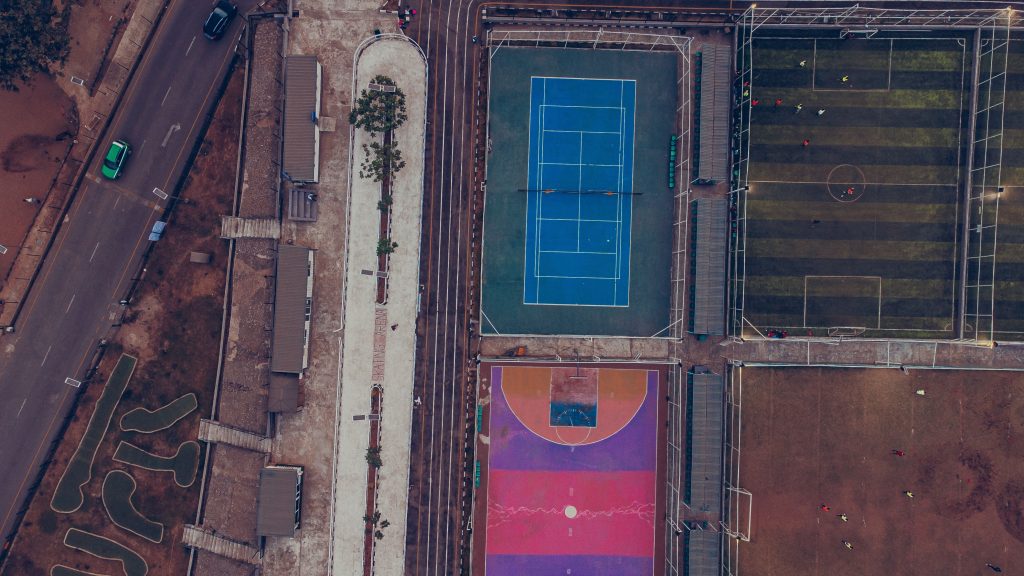
There was the dusty football field. The school athletics track. The community swimming pool. The boxing gym tucked away in a corner of the neighbourhood. The basketball court. The netball court. The street where young boys and girls played until the sun went down.
This is where Kasi Sport lives.
And perhaps one of South Africa’s greatest untapped economic opportunities is sitting right there. We have become very good at celebrating the athlete who makes it.
But what about the ecosystem that produces them?
South Africa’s townships have produced some of the country’s greatest sporting talent. They have produced footballers, boxers, runners, rugby players, cricketers and athletes who have gone on to represent the country and compete on the world stage. Yet the communities that helped produce these athletes often receive very little of the economic value created by their success.
That needs to change.
Kasi Sport cannot simply be about finding the next superstar. It must become an industry. Think about what surrounds professional sport;
Equipment, Sportswear, Coaching, Nutrition, Physiotherapy, Sports medicine. Facilities, Transport, Media, Events, Merchandising, Technology, Talent management. Hospitality, Digital content, Broadcasting. There are hundreds of businesses that can emerge around sport. A young person who doesn’t become the next national football star can still build a business supplying football kits.
Another can become a sports photographer.
Another can build a sports media platform.
Another can manage athletes.
Another can develop sports technology.
Another can run a gym.
Another can manufacture equipment.
Another can create a township sports league.
The athlete is only one part of the sports economy.
This is where the conversation around the township economy needs to evolve. We cannot continue defining township business only through spaza shops, taverns, car washes and informal retail. Sport presents another powerful entry point into industrialisation, entrepreneurship and job creation. Imagine township-based sportswear manufacturers supplying schools and clubs. Imagine professionally managed township football and basketball leagues attracting corporate sponsorship.
Imagine community sporting facilities becoming commercially sustainable hubs. Imagine brands investing not only in athletes but in the businesses around them. Imagine a Kasi Sports economy where talent development, business development and community development happen together.
That is the opportunity.
And it requires both the public and private sectors to see township sport differently. Government has a responsibility to provide and maintain infrastructure, create access to sporting facilities and ensure that young people have opportunities to participate regardless of their economic circumstances. But government cannot do it alone.
Corporate South Africa has an enormous role to play. Sponsorship should not only follow the athlete once they become famous. Investment should follow the talent before the world discovers it. Brands can invest in grassroots leagues. Financial institutions can finance sports entrepreneurs. Telecommunications companies can connect young athletes to digital opportunities. Sportswear companies can develop local manufacturing partnerships. Media companies can tell the stories of emerging talent. And communities themselves must be given the opportunity to own part of the value chain.
Because there is a bigger question here:
What happens when we stop seeing Kasi Sport as a social responsibility programme and start seeing it as an economic sector?
That is when the conversation changes. We begin asking how many jobs sport can create. How many businesses it can support. How many entrepreneurs it can produce. How many facilities can become commercially sustainable. How much intellectual property can be created. How many township brands can emerge. And ultimately, how much economic value can remain within the communities where the journey began.
The South African Sport Awards remind us that greatness exists across this country. But greatness does not suddenly appear on an awards stage.
Greatness is nurtured somewhere, and more often than not, it begins in the Kasi.
Our responsibility is to make sure that the next generation doesn’t only have a chance to become the next sporting superstar. They should also have a chance to build the business around the superstar. Because the future of Kasi Sport is bigger than sport.
It is about talent. It is about enterprise. It is about jobs. It is about ownership. It is about opportunity.
And perhaps most importantly, it is about changing the story of what the township can produce. The Kasi has always produced champions. Now, let’s build an economy around them.