By Motlabana Monnakgotla
Once defined by screeching tyres, drifting engines and smoky exhaust pipes, Soweto’s car culture is being introduced to a quieter, cleaner alternative: electric vehicles.
Over the years, petrol prices in South Africa have fluctuated sharply, while vehicle costs continue to rise—despite the well-documented environmental damage caused by exhaust emissions. The introduction of electric vehicles (EVs), however, is beginning to transform the motor industry by offering energy-efficient options with cleaner outputs.
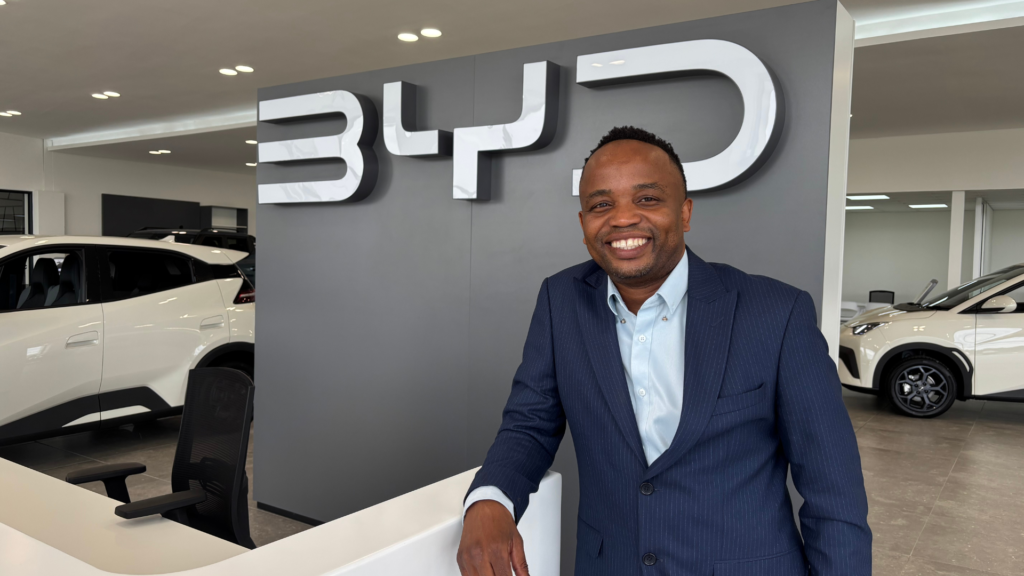
About five kilometres from the iconic Maponya Mall lies BYD Auto Company, a newly opened Chinese EV dealership expanding into vibrant Soweto. The area, known for glossy revving engines, stanced European cars and ageing smoke-emitting vehicles, now hosts a showroom filled with sleek, silent alternatives.
At the dealership, we meet principal Tebatso Vlies Manyama, who has been in the motor industry since 2009. In 2025, he received a call from the BYD South Africa CEO, together with the Maponya family, inviting him to help introduce electric vehicles to the kasi.
Manyama believes Soweto is the ideal township—locally and globally—to pioneer EV adoption.
“We believe Sowetans will be the trendsetters for other townships,” he says, citing Soweto’s iconic history and cultural influence.
Despite ongoing challenges such as load reduction and power cuts, EVs have found ways to bypass these limitations through solar-powered charging stations.
“BYD has also just signed a major deal with Eskom to improve infrastructure. We’re looking at adding another 300 charging stations across South Africa this year. On average, charging takes between 45 minutes to an hour, but the future is about making the experience as quick as a petrol stop,” says Manyama.
Charging stations are being installed at malls, mosques, churches and social spaces in and around Soweto, in addition to standard home chargers.
An automotive experts have explained that the brand favours hybrid vehicles over fully electric models, noting that each country’s logistics and infrastructure are assessed carefully, and that hybrids are effective because they charge themselves without plug-ins. Globally automotive brands have committed to investing in hybrid engines rather than fully electric vehicles, this is largely due to electricity production having environmental drawbacks.
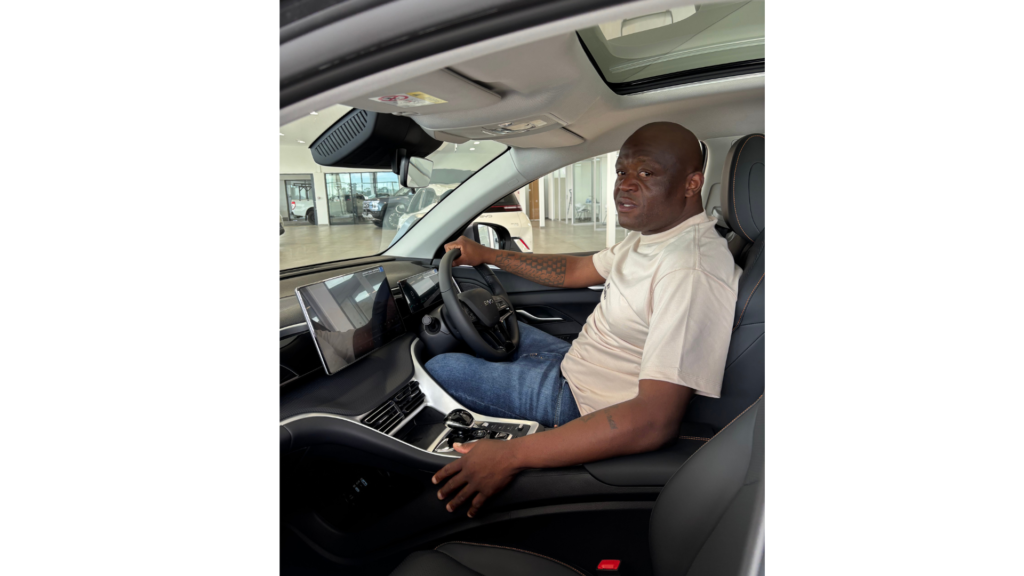
Back at the high-ceilinged BYD showroom, South African media personality and content creator Mlungisi Mncwabe—also known as Sjuku and co-host of the YouTube channel Trap And Pass—joins the conversation after test-driving the BYD Sealion 6 SUV.
“BYD is the best, EV-wise. It’s fresh inside and drives comfortably. These cars are brought to Soweto so we can experience them too—not just people in the northern suburbs. That era has come to an end,” says Mncwabe.
Beyond sales, the dealership aims to employ as many unemployed Soweto residents as possible over the coming years, while also challenging long-held perceptions about Chinese vehicles.
“Chinese brands were once associated with ‘fong kong’ products,” Manyama says. “That stereotype needs to go. Get into the car, drive it, and tell me what’s fake about it. These vehicles pass rigorous tests, and all our cars are five-star rated for road safety.”
A township once powered by coal, clouded by chimney smoke and battered diesel engines is now being re-imagined—powered by electricity, clearing the air, and driving toward a cleaner future.