By Katleho V. Moloi
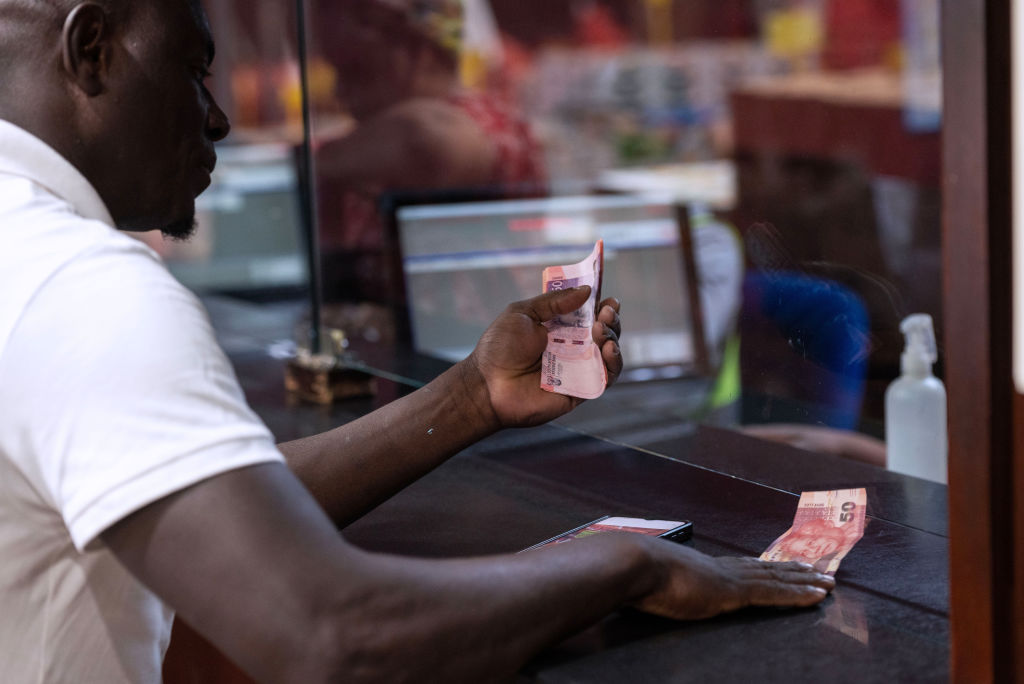
In the heart of Diepkloof, at the corner where the kasi barber shares a wall with a chesa nyama and a second-hand sneaker store, Mama Gloria counts her money by hand. She’s done it this way for 22 years before card machines, before apps, before anyone called her a “small business.”
Each R10 note she stacks is a victory.
“This is how I built this place,” she says, pointing at the concrete walls of her tuckshop. “Cash, no one gave me credit.”
For many township business owners like Mama Gloria, cash is not just a payment method, it’s a language, a culture, a survival strategy. It’s how they built trust, paid school fees, bought bricks, and buried parents.
“I know where every note comes from, I feel it, I trust it.”
There’s a reason most township entrepreneurs still prefer cash. It’s immediate, tangible, and for many safer than banks that once shut their doors or charged too much to make opening an account worthwhile.
*Bongani (not his real name), a 31-year-old car wash owner in Vosloorus, tried to go digital after a local fintech gave him a mobile card machine. “It worked for a few weeks,” he says. “Then the network crashed. A customer stood there for 20 minutes, and I lost the sale.”
Since then, he only trusts cash. “It doesn’t ask for a signal.”
But deeper than the tech issues is the quiet anxiety no one talks about: visibility. “If I swipe, the money is in the system,” Bongani says, “The bank sees it, the government sees it.”
In townships where the line between informal and formal is blurry by design, cash feels like control over time, over money, over one’s future, and yet, something is changing.
Just across the road from Mama Gloria, her niece Keamohetswe, 25, runs a hair studio from a shipping container. She accepts eWallet, Yoco, and SnapScan. “Most of my clients are students. They don’t carry cash, they tap.”
Keamohetswe’s business looks different; she does her books on Google Sheets, markets her work on Instagram, and gets customers via TikTok. She’s part of a new wave of township entrepreneurs who aren’t scared of being seen, they want to be searchable.
But even she gets it. “My aunt says if the Wi-Fi’s down, my business is down, so she’s not wrong, so, I keep a money box just in case.”
There’s no war between cash and digital in the township. What exists is a careful negotiation between generations, between risk and reward, between what’s safe and what’s smart.
To say “cash is king” is not a stubborn refusal of change it’s a recognition of history, of hard lessons learned, and of systems that haven’t always been kind to Black entrepreneurs.
The next chapter of the township economy won’t be about replacing cash it will be about honouring the hands that built with it, while helping the next generation learn to build with code, apps, and platforms.
Because before there was fintech, there was trust and that’s something money in any form can’t always buy.