
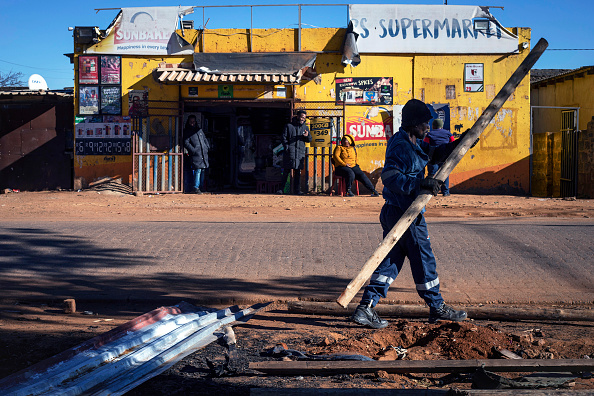
The South African government is inviting public comment on a draft policy designed to revitalise township and rural economies, a move it says could help unlock entrepreneurship, attract investment and create jobs in communities that have long faced economic exclusion.
Published by the Department of Small Business Development, the Draft Township and Rural Economy Development and Revitalisation Policy outlines a national framework aimed at strengthening small businesses, improving access to finance and creating a more coordinated approach to enterprise development across the country.
The policy comes as South Africa continues to grapple with sluggish economic growth, high unemployment and persistent inequalities, with many township and rural businesses struggling to access funding, infrastructure and formal markets.
According to the Department of Small Business Development, the policy seeks to tackle longstanding structural challenges that have prevented township and rural enterprises from reaching their full potential. These include inadequate infrastructure, limited market access, fragmented government support programmes and barriers to accessing finance.
The department estimates that township businesses generate more than R100 billion in annual turnover, highlighting the significant economic potential that exists outside South Africa’s major metropolitan centres. However, the draft policy notes that approximately 65% of township enterprises operate informally, limiting their ability to secure funding, participate in public procurement opportunities and benefit from government support initiatives.
Business Report also notes that while township and rural economies contribute significantly to local livelihoods, many businesses continue to face additional challenges, including crime, extortion, counterfeit goods and unreliable infrastructure, all of which hamper business growth and investor confidence.
To address these issues, the draft policy proposes a range of interventions, including expanding access to finance, strengthening business development services, improving local value chains and encouraging investment in sectors with strong growth potential such as manufacturing, renewable energy, tourism, healthcare, transport, information technology and mineral beneficiation.
A key feature of the policy is its emphasis on collaboration. Government wants stronger partnerships between national, provincial and local government, development finance institutions, the private sector and community organisations to ensure support for township and rural enterprises is better coordinated and more effective.
The framework also proposes the introduction of a monitoring and evaluation system to measure the impact of government programmes and ensure interventions are responsive to the changing needs of entrepreneurs.
Cabinet has described the draft policy as part of government’s broader efforts to transform township and rural economies from largely consumption-based areas into productive economic hubs that create employment, stimulate local manufacturing and encourage inclusive economic growth.
The National Youth Development Agency (NYDA), in its submission on the draft policy, has welcomed the initiative while calling for stronger measures to support young entrepreneurs. The agency recommends clear targets for youth-owned businesses, improved access to finance, greater procurement opportunities and increased investment in digital entrepreneurship to ensure young people play a central role in township and rural economic development.
The publication of the draft policy marks the beginning of a public consultation process, with businesses, entrepreneurs, industry bodies and members of the public invited to submit comments within 42 days of its publication in the Government Gazette.
Once the consultation period closes, the Department of Small Business Development will review submissions before finalising the policy. If adopted, the framework is expected to guide future government interventions aimed at formalising businesses, attracting investment and creating more resilient township and rural economies.