
After months of rising food costs that have stretched household budgets to breaking point, there is finally some good news for South African consumers. Pork prices are falling—and the impact could be felt far beyond supermarket shelves, reaching township households, street food traders and small businesses that rely on affordable meat to keep customers coming back.
Just a few months ago, the industry was preparing for shortages. Outbreaks of African Swine Fever (ASF) and Foot-and-Mouth Disease (FMD) had disrupted local production, prompting processors to import pork to avoid empty shelves.
But the market has taken an unexpected turn.
Those imported shipments arrived just as local farms emerged from disease-control restrictions and resumed normal production, creating an oversupply that has sent wholesale prices tumbling.
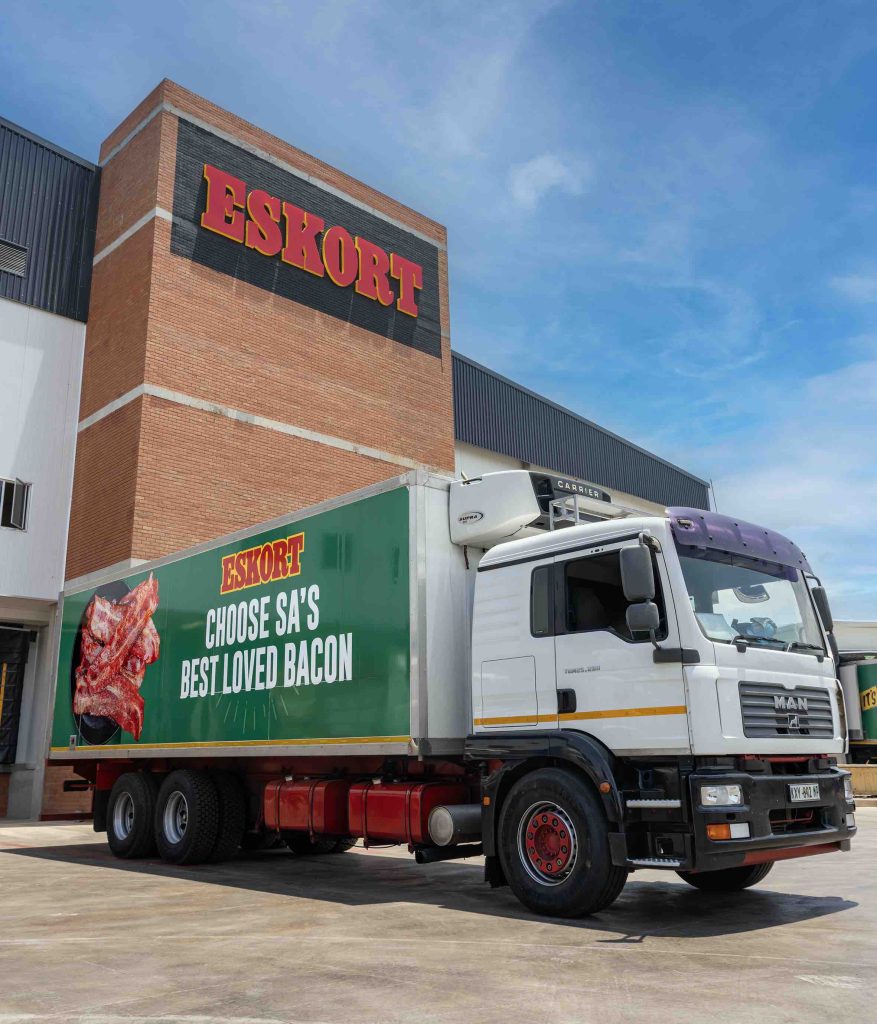
According to Eskort CEO Arnold Prinsloo, wholesale pork prices have dropped from around R40 per kilogram to approximately R30 per kilogram, with retail prices already beginning to reflect the decline.
“We have gone from expecting shortages to having more pork than the market currently needs,” Prinsloo said.
For township communities, where every rand counts, the timing could not be better.
With food inflation having forced many families to cut back on protein or substitute cheaper alternatives, lower pork prices could make products like chops, bacon and boerewors affordable again.
Eskort says pork chops that were selling for around R120 per kilogram have fallen to roughly R80 per kilogram, while bacon packs and pork boerewors have also seen significant price reductions.
The price cuts may also create opportunities for township entrepreneurs.
Across South Africa’s townships, thousands of informal businesses depend on affordable meat. Whether it’s a braai stand operating on a busy street corner, a kota seller serving lunchtime crowds, a catering business preparing meals for community events or a local spaza shop stocking fresh meat, lower input costs could improve profit margins at a time when operating expenses remain high.
Some businesses may choose to pass the savings on to customers, while others may keep prices steady and use the additional margin to offset rising electricity, transport and rental costs.
For consumers, either outcome offers some relief.
The oversupply is largely the result of timing.
Earlier this year, fears that disease outbreaks would reduce domestic pork production led processors to secure imported meat. However, imported pork typically takes between eight and ten weeks to reach South Africa. By the time those shipments arrived, local farms had completed mandatory disease-control periods and were once again sending animals to market.
Under South Africa’s animal health regulations, farms affected by Foot-and-Mouth Disease remain under restrictions for at least 42 days after no new symptoms are detected. Once those restrictions are lifted, a backlog of market-ready pigs enters the supply chain at the same time.
Combined with weaker consumer demand following previous price increases, the result has been more pork than the market can currently absorb.
Prinsloo expects prices to eventually stabilise closer to their long-term average of around R32 per kilogram as supply and demand begin to balance again.
While consumers enjoy lower prices today, the recent swings in the market also highlight the importance of protecting South Africa’s livestock industry.
Prinsloo says continued investment in biosecurity, veterinary services and disease surveillance will be critical to preventing future outbreaks and safeguarding the country’s long-term food security.
For now, however, the market’s sudden reversal offers a rare piece of positive news in the ongoing cost-of-living crisis.
And in townships across the country, where families carefully calculate every grocery purchase and small food businesses operate on razor-thin margins, cheaper pork could provide a much-needed boost to both dinner tables and local enterprise.