
SMEs chasing millions of rands in invoice payments — but do figures account for small businesses in the Township Economy?
According to one of South Africa’s leading banks, First National Bank (FNB), small and medium-sized enterprises (SMEs) across the country are owed millions of rands in outstanding invoice payments by their debtors on a regular basis. Invoice payments refer to the money a business is due after delivering goods or services to a client, typically expected within 30 to 90 days. Delays in these payments create a significant burden for SMEs, negatively affecting cash flow, stalling growth opportunities, and reducing overall productivity.
In response, FNB offers its Selective Invoicing Discounting (SID) trade credit solution, which allows Commercial and Business customers to sell their unpaid invoices to improve cash flow while awaiting payment from approved debtors.
“We are giving businesses immediate access to the funds they need to operate and grow. Instead of spending valuable time on administrative effort to ensure invoice payments and reconciliation from their debtors, FNB empowers SMEs to unlock working capital faster and focus on what they do best – start, run, and grow their businesses,” says Gavin Tarr, Head of Working Capital Solutions, FNB Commercial Structured Finance Solutions.
The importance of programmes like this cannot be overstated, particularly given the size of South Africa’s SME market. Estimates suggest there are approximately 3 million MSMEs (Micro, Small, and Medium Enterprises), including both formal and informal businesses. These enterprises are critical to the economy, employing around 13.4 million people and representing a significant—though often informal—portion of the workforce.
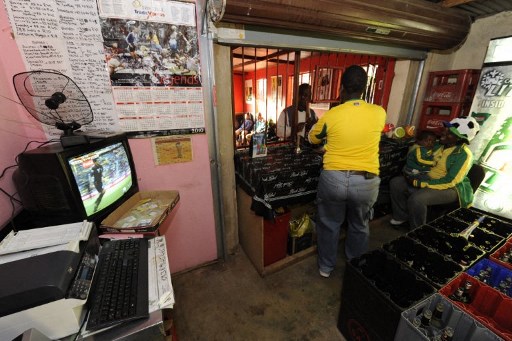
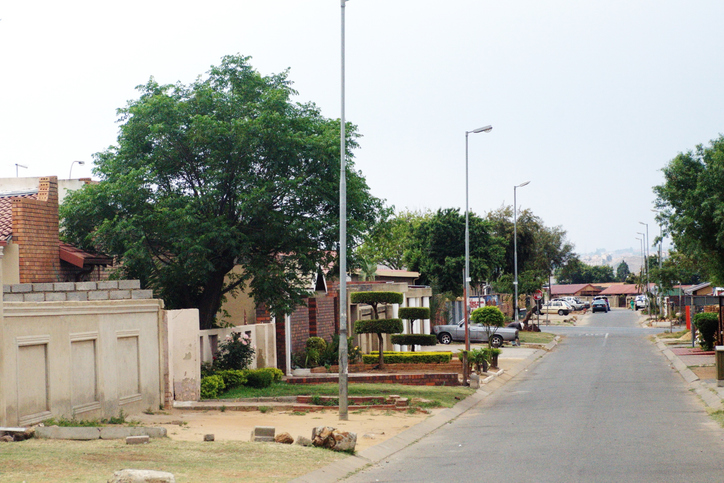
A key question, however, is how many of these SMEs operate within the township economy, where businesses face unique challenges and opportunities. Estimates indicate that between 800,000 and 1 million businesses operate across South Africa’s 532 townships. These enterprises are vital, providing essential goods and services and employing a substantial portion of the population. Yet, accurate data on this market remains a persistent challenge.
This makes it difficult to determine the extent to which unpaid invoice payments are linked to the township economy. The township sector contributes approximately 6% to South Africa’s Gross Domestic Product (GDP). Despite its significance, many township businesses face obstacles such as limited access to formal financial services, restricting growth and sustainability. Programs like FNB’s SID solution are crucial in addressing these challenges by offering financial tools that improve cash flow, enabling businesses to operate and expand more effectively.
FNB also works closely with debtors responsible for outstanding invoices, streamlining administration and encouraging collaboration to support suppliers’ cash flow needs.
“We remain committed to simplifying credit access for South African businesses, offering speed, transparency, and control to SMEs looking to start, grow, and run their businesses and optimise their cash flow management,” Tarr adds.
As South Africa’s SME and township economies continue to grow, solutions like SID are more than financial tools—they are enablers of opportunity. For SMEs navigating delayed payments, now is the time to explore these programmes, strengthen cash flow, and ensure sustainable growth. Businesses must take action today to secure the working capital they need to thrive in an increasingly competitive market.