R200 billion.
That’s how much South Africa’s township economy generates annually.
It’s that simple—yet that significant.
Despite its immense economic contribution, the township economy remains one of the most underrepresented and misunderstood markets. The world has yet to fully recognize the depth of its impact, and that oversight is striking.
To understand why, let’s take a step back.
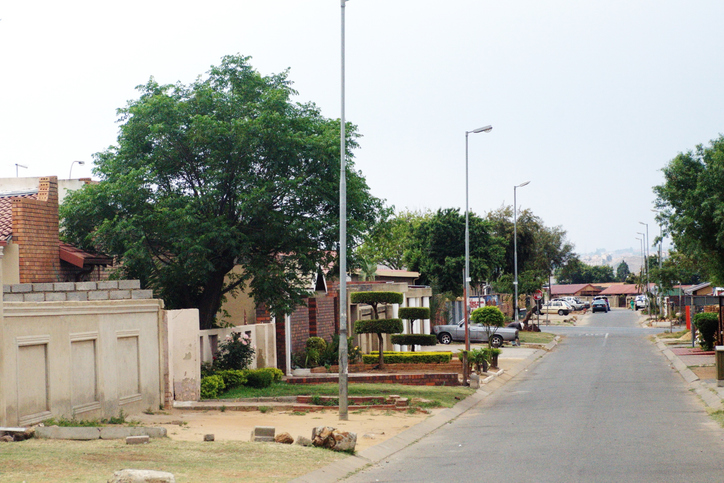
In South Africa, the term “township” is more than just a geographic reference—it carries deep historical and cultural significance. Townships are areas on the outskirts of towns and cities, initially designed under apartheid to enforce racially segregated living arrangements. According to South Africa’s National Treasury, the term has no formal definition but generally refers to underdeveloped, often urban, residential areas that were reserved for non-white populations during apartheid.
Established under this oppressive regime (1948–early 1990s), townships were deliberately underfunded, overcrowded, and deprived of essential resources. Government priorities focused more on controlling residents than on fostering development.
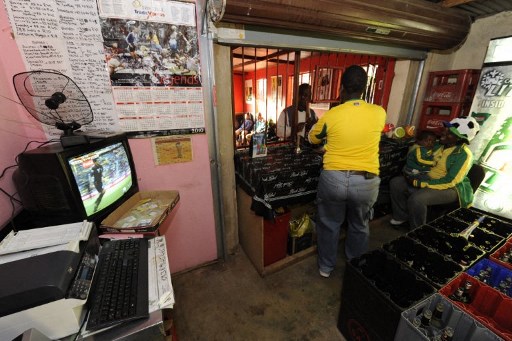
Yet, despite these challenges, townships have become hubs of entrepreneurship, resilience, and innovation.
A Thriving, Yet Overlooked Economy
Consider this: South Africa has approximately 3.2 million businesses, with SARS estimating close to 4 million registered companies in total. Within that landscape, the township economy is a powerhouse in its own right. First National Bank (FNB) estimates that there are between 800,000 and one million businesses operating in townships—most of them small and informal. And that number could be even higher if comprehensive data were available.
That’s where we come in.
That’s where we stand.
A Voice for the Township Economy.
At The Kasi Business News Network, we’re not just reporting on numbers. We’re telling the stories behind them. We’re shedding light on the grit, resilience, and ingenuity of township entrepreneurs—because their businesses are more than just enterprises. They are lifelines. They are testaments to survival and success against the odds.
The mother who wakes up at 3 AM to bake scones, ready to sell them at the William Nicol intersection by the time peak traffic hits. The Khayelitsha native who believes in his community so deeply that he’s opening a luxury hotel in the heart of the township, boosting local tourism. The creative in Alex teaching kids to code—empowering them to build their own futures.
The township economy is alive. It’s thriving. It’s undeniable.
And from today, you have no choice but to take notice.