
By Naledi Mokoena
As South Africa comes to the end of Youth Month, there is still a spotlight on the staggering statistics recently released by Stats SA, highlighting the 62.4% youth unemployment rate and the economic toll of inequality in our most marginalised communities. But despite these numbers, a more silent revolution is brewing across the townships: one of enterprise, dignity, and access.
In places like Alexandra and Pimville, young entrepreneurs are rewriting what it means to be an entrepreneur in the economy
Township Youth: From Job Seekers to Job Creators
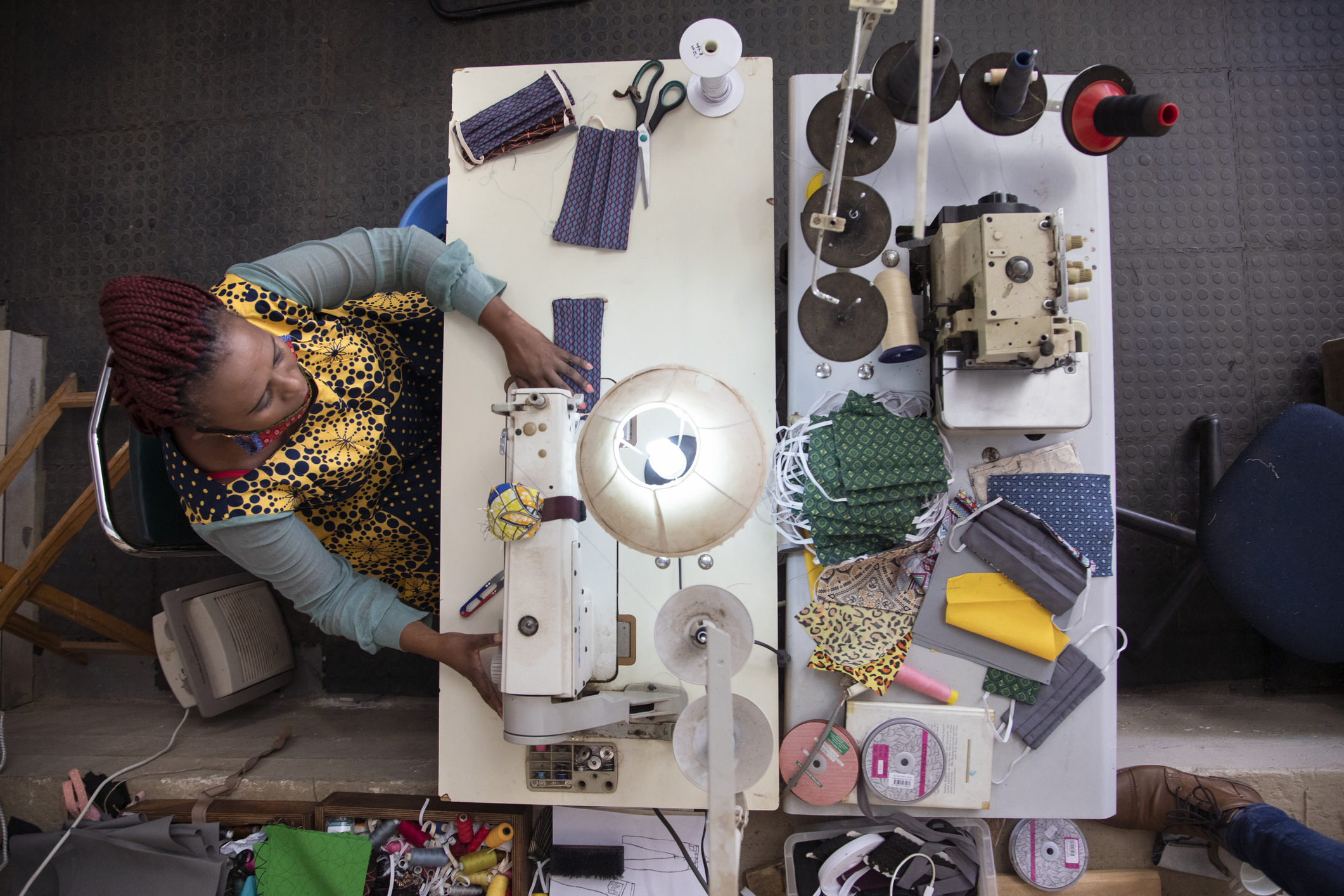
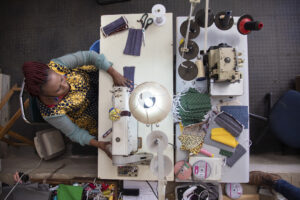
Alexandra township. A township few hundred metres from the country’s most unequal zip codes, a different kind of mall has emerged. The Netcare Ulusha Hub, launched in partnership with the Youth Employment Service (YES), is home to a textile co-op, a 3D printing studio, a culinary school, and an ICT lab run by the township youth.
“We’re not just training young people; we’re helping them start businesses, employ others and stay rooted in their communities,” Tholi Cenenda, the Hub’s manager, told KBNN.
According to YES’s 2024 Impact Report, over 3,000 young people have enrolled in township programmes. The Alex hub alone has created 38 direct jobs, and three youth-led businesses were incubated in under a year.
ESG in Action: When Purpose Meets Profit
Private corporations are not sitting idle. Through Broad-Based Black Economic Empowerment (B-BBEE)-aligned Environmental, Social, and Governance (ESG) investments, brands like Netcare, Nedbank, and Air Liquide are partnering with township incubators to both meet their equity targets and uplift underserved communities.
“We have to reimagine what shared value really looks like,” said Dr. Nceba Ndzwayiba, Group Director of HR and Transformation at Netcare, in a recent media briefing.
These partnerships go beyond training, they embed entrepreneurship, digital fluency, and local production capacity into township economies. The Ulusha Hub’s model is now being replicated in other areas like Diepsloot and Tembisa.
Pimville’s New Private Hospital: Healthcare Gets Local
Healthcare has always been a pressing issue in townships, where residents frequently rely on under-resourced public hospitals. Since the 2019/20 financial year the Office of the Health Ombud has received 14,556 complaints about public hospitals across South Africa—more than half (57%) originated in Gauteng—reflecting systemic challenges like poor infrastructure, staff shortages, and management issues.
In Pimville, Soweto, however, a brand-new multi-service private healthcare precinct recently opened, just minutes from Maponya Mall. The facility features a 33-bed Life Path Health mental hospital, a 24-bed Apex Surgicentre for day surgeries, as well as general practitioner services, physiotherapy, a Lancet laboratory, and other supporting healthcare offerings. This development marks a significant shift in healthcare access for the community, bridging the gap between public sector limitations and quality private care.
This signals a trend: townships are no longer waiting for top-down healthcare reform; they are building their own.
“It’s about bringing dignity closer to the people,” says Dr. Malebo Mokoena, a GP who runs a small private practice in Protea Glen. “We grew up here. We understand our people. We’re building systems that work for them.”
There is a rise of township health entrepreneurs who are driving grassroots progress and transforming access to care from the ground up.
Alongside large-scale developments, innovative healthcare models are emerging—like Unjani Clinics, a network of nurse-owned, franchised primary care clinics now operating in over 100 communities across South Africa.
Similarly, Alma Clinics is offering a hybrid of in-person GP and digital healthcare services, with a newly opened branch in Pimville providing consultations for under R350. These models are not only meeting local healthcare needs but also creating economic opportunities within the communities they serve.
These models create jobs within the very communities they serve, offer affordable healthcare services in historically underserved areas, and empower women and youth by enabling them to take on roles as clinic operators and staff. By doing so, they are not only improving health outcomes but also contributing to broader social and economic development in townships.
Looking forward, what should Youth Month stand for? While policy continues to lag, especially around National Health Insurance (NHI) and public-private healthcare debates, townships are not waiting for permission to innovate. They’re showing South Africa what transformation looks like in practice.
Yes, challenges remain: scalability, policy alignment, funding, and more, but what is clear this Youth Month is that townships are not broken, they’re building.
They are becoming economic laboratories, care centres, and entrepreneurial ecosystems. And at the centre of this revolution? Young people who are no longer just surviving but leading.