By Kei Rapodile
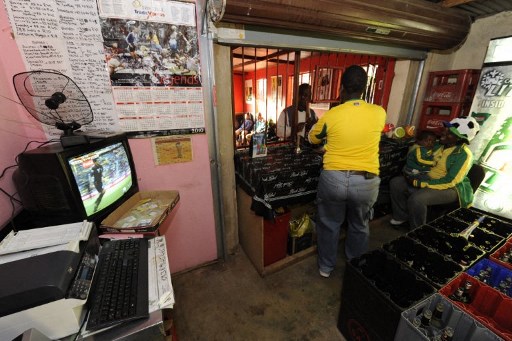
Walk through the spaza shops of Soweto, the taxi ranks of Durban, or the streets of Khayelitsha, and they can be seen everywhere: small black boxes promising access to streaming platforms like Netflix and DStv. Pirate TV set-top boxes are quietly transforming how millions of South Africans watch television, turning township living rooms into a frontline in the battle over digital content.
Trained Digital Terrestrial Television (DTT) technicians have witnessed this shift firsthand. After completing certification, many registered companies to provide legal DTT installations and support. Others, however, opted for alternative work such as installing DStv—a market that has become increasingly oversaturated with foreign installers offering cheap rates. . The result: lower-quality service and fewer opportunities for local technicians.
The reality, evidently becoming the official DTT programme, promised affordable digital content but struggled to reach townships. Pirate boxes stepped in, providing immediate, accessible entertainment for households that cannot afford subscription fees.
Vendors in Alexandra sell boxes from R500 to R1,500. Using IPTV technology and preloaded apps, these devices offer live Premier League matches, Netflix series, and DStv-exclusive shows. In communities where a single DStv Premium package can exceed a week’s grocery budget, the black box has become the better alternative for many homes.
The Pirate TV market has developed into a mini-economy.
Street-Level Vendors will sell directly and sometimes include installation for a small fee. This has opened up the market for digital marketplaces, like WhatsApp and Facebook groups, to act as informal platforms for advertising specials.
Young, tech-savvy residents troubleshoot issues, update software, and provide guidance for a fee, which has created a technical support network.
“This is how I feed my family. I’m not stealing; I’m providing a service people can afford,” says many vendors. In areas with limited formal employment, the pirate TV trade is both survival and entrepreneurship.
Authorities and MultiChoice have ramped up enforcement. MultiChoice reports a 63% increase in piracy-related raids, targeting both local resellers and foreign operators who manage illegal streaming services like Waka TV. According to a 2025 Multichoice report, offenders face fines up to R10,000 or imprisonment under the Cybercrimes Act .
Pirate TV boxes also carry real cybersecurity risks. MyBroadband stated that malware, compromised banking information, and exposure to criminal networks put users at risk . Yet in the moment, the lure of affordable entertainment often outweighs these threats.
Legitimate services such as Showmax Mobile and Sentech’s Freevision Play exist, but they cannot match the sheer variety and volume of content Pirate TV boxes provide. Until digital content becomes both affordable and accessible, the black box will remain a fixture in township homes.
Authorities and MultiChoice are intensifying raids on Pirate TV resellers, with a reported 63% spike in anti-piracy operations this year. Offenders now face fines up to R10,000 or jail time under the Cybercrimes Act. MyBroadband warns that pirate boxes can expose users to malware and banking fraud, but for many, the promise of cheap entertainment still outweighs the risks.