As we move progressively into a world where more and more people are exploring the idea of entrepreneurship, it has become abundantly clear that looking at this from a segmented perspective is important.
As South Africa celebrates Women’s Day—a day that commemorates and pays homage to the more than 20,000 women who marched to the Union Buildings on 9 August 1956 to protest against the extension of the pass laws—one cannot help but ask: how are we celebrating the women who contribute extensively to one of South Africa’s most significant economies, the township economy?
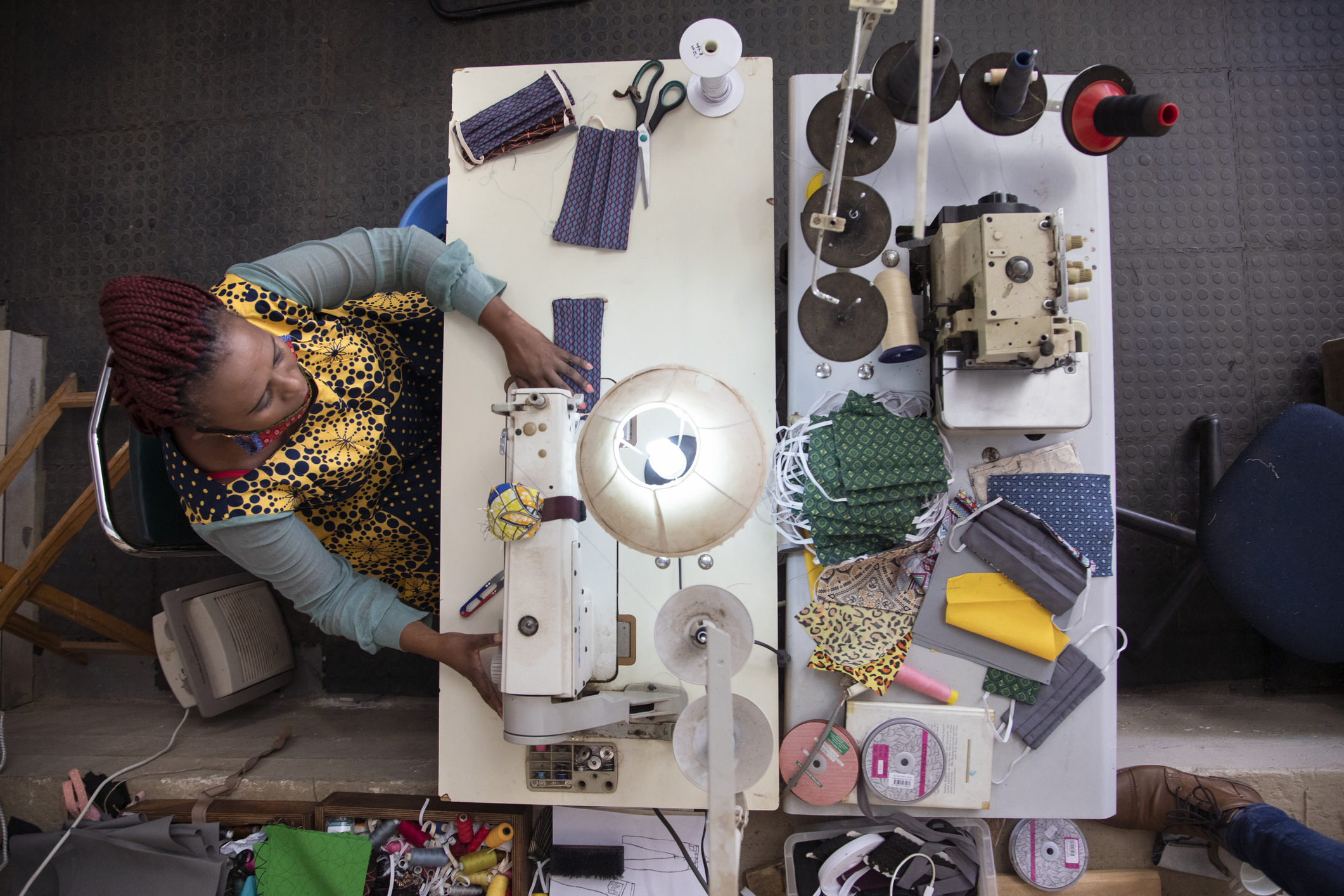
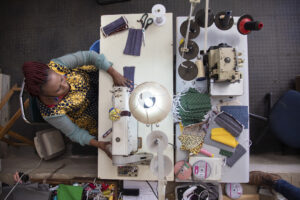
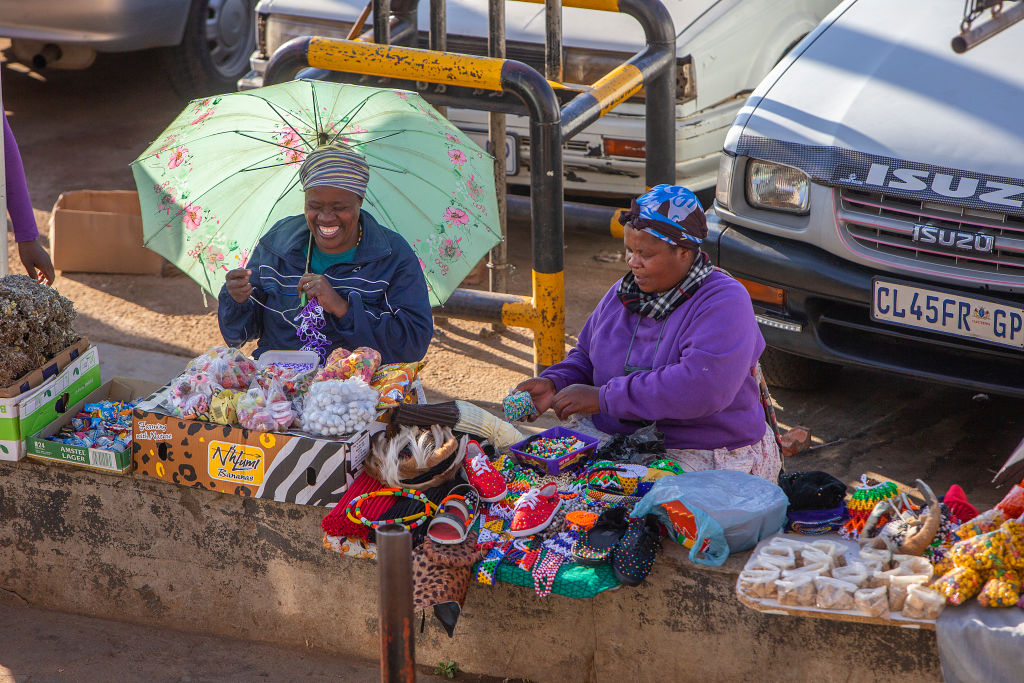
At the heart of the conversation, the statistics point to a clear reality: a significant portion of informal businesses in South Africa are owned and operated by women. Research shows that women are disproportionately represented in the informal sector, with some studies suggesting that over half of informal businesses are female-owned. For example, a report by SME Toolkit indicates that 52% of informal businesses are owned by women.
In his address today, South Africa’s President Cyril Ramaphosa said: “Women-led enterprises are being supported through policies, mentorships and funding. Through capacity building initiatives, we aim to increase the participation of women in politics, business and civil society. In Greater Tzaneen, women make up a significant portion of the population and continue to play critical roles in education, health, agriculture and the informal economy.”
Men and women complement each other. We are equal. Under our constitution. Before the law. And so should it be in our homes, in our communities, in our marriages and in our families. #WomensDay https://t.co/GDeNelRDr0
— Cyril Ramaphosa 🇿🇦 (@CyrilRamaphosa) August 9, 2025
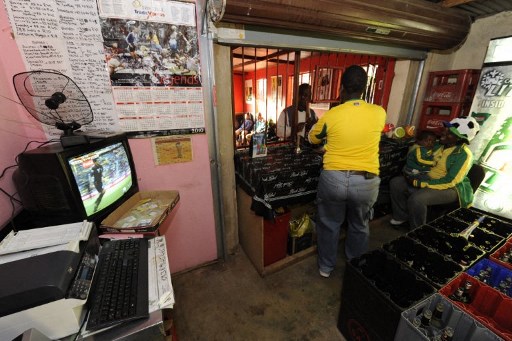
But the statistics are telling: there is still limited data on how many women represent the business market in the township economy. Furthermore, according to SME South Africa, while women play a significant role in this sector, they often face unique challenges such as limited access to resources, training, and formal support systems. Despite these hurdles, women in townships demonstrate remarkable resilience and agency, relying on informal networks and community support to sustain their businesses.
South Africa’s Women’s Day, celebrated on 9 August, commemorates the 1956 march of over 20,000 women to the Union Buildings in Pretoria. These women, of all races, protested against the apartheid government’s pass laws, which restricted the movement of Black South Africans. Led by figures such as Lilian Ngoyi, Helen Joseph, Rahima Moosa, and Sophia Williams-De Bruyn, the march was not only a stand against unjust laws but also a historic moment of unity, courage, and defiance in the face of systemic oppression.
Today, Women’s Day serves both as a tribute to those heroines and as a reminder of the ongoing fight for gender equality, economic inclusion, and social justice. While South Africa has made significant strides in empowering women, the question remains: if the women of 1956 could see our progress, would they not want to witness even greater advancement—particularly in uplifting already empowered, female-owned businesses in the township economy? After all, true honour to their legacy lies in ensuring that empowerment translates into sustainable economic growth for all women.
“I want to call on the leadership of the province to honour the women of 1956 by ensuring their descendants, the women of today, are able to lead lives of dignity through the provision of basic services,” Ramaphosa said. “Even as we have come a long way with respect to gender equality – we are still on this arduous journey – we dare not give up, or the next generation will be left with no inheritance.”