
Could the Township Economy Solve South Africa’s Employment Crisis?
In February, South Africa’s president, Cyril Ramaphosa, said at the annual State of the Nation Address (SONA) that a big issue that government needs to tackle, and would tackle this year, was the big issue of unemployment.
“Our most urgent task is to grow our economy so that we can create jobs, reduce poverty, and improve the lives of all South Africans,” he said.
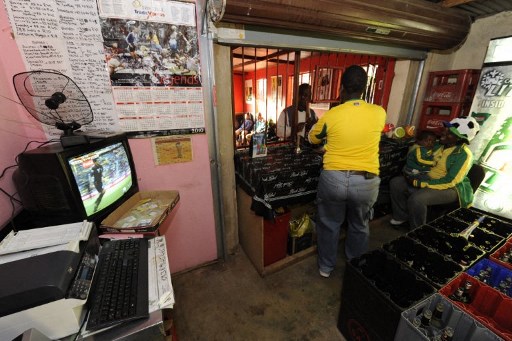
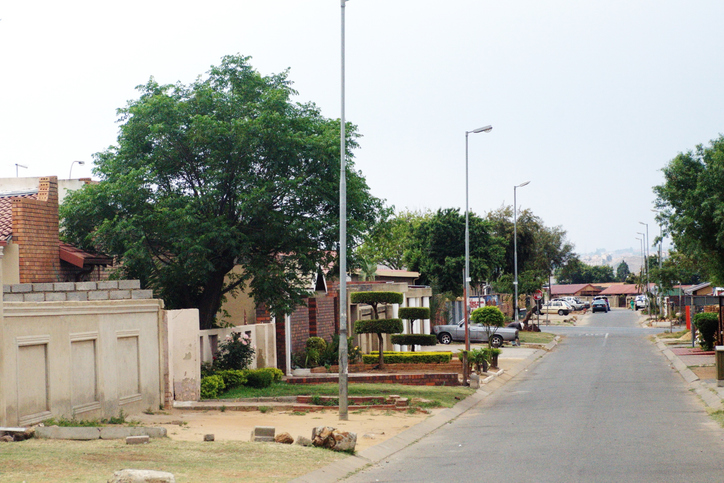
In recent discussions about South Africa’s economic landscape, the township economy often remains underrepresented, despite its significant potential. A notable example is the burgeoning backroom rental market within townships. According to the 2022 Township CX Report, the township economy boasts a total market value of approximately R900 billion, with the backroom rental sector alone contributing over R20 billion.
This substantial figure underscores the township economy’s role in addressing South Africa’s housing challenges. However, a lack of comprehensive data means this R900 billion estimate might underrepresent the sector’s true value. Recent studies, such as those presented at the 2024 Township Economies Conference and Expo, estimate the township economy’s annual contribution at around R100 billion, highlighting its significant impact on the national GDP.
Despite prevailing misconceptions, the township economy plays a crucial role in job creation. Statistics indicate that businesses within this sector employ approximately 2.5 million people. Considering that, as of 2019, about 21.7 million South Africans resided in townships, representing roughly 24.35% of the country’s total population, this employment figure is particularly significant.
Yet, South Africa continues to grapple with high unemployment rates. As of the first quarter of 2025, the overall unemployment rate stood at 32.9%, with youth unemployment (ages 15-34) alarmingly high at 46.1%. These statistics highlight the urgent need to explore and invest in sectors like the township economy that have demonstrated resilience and growth potential.
The township economy also exhibits substantial purchasing power. The 2022 Township CX Report emphasizes that brands are lagging in leveraging digital platforms to tap into this market, which possesses an estimated R900 billion in spending power. This presents a lucrative opportunity for businesses and investors to engage with a rapidly growing market.
However, challenges persist. Research from South Africa’s Human Sciences Research Council in 2019 indicates that many township businesses remain small-scale and survivalist, characterized by low productivity and limited market reach. These enterprises often circulate local resources without producing tradable goods or services that serve broader markets.
Experts advocate for a paradigm shift in how the township economy is perceived and supported. Instead of focusing solely on its challenges, there’s a need to recognize and nurture its potential. A World Bank study on the economics of South African townships warns that failure to modernize this sector could result in missed opportunities not just for the townships but for the nation as a whole. The report emphasizes that appropriate regulation can unlock essential resources like funding, training, mentorship, and market access necessary for sustainable growth.
In conclusion, the township economy holds immense promise for addressing South Africa’s employment challenges and fostering inclusive economic growth. By shifting our perspective and investing in this sector’s potential, we can pave the way for a more equitable and prosperous future.