The first ever G20 Summit on African soil has wrapped in Johannesburg, raising new questions about what the Leaders’ Declaration means for South Africa’s township economy. While the declaration does not mention townships directly, its commitments to MSMEs, financial inclusion and tackling inequality could have far reaching implications for the country’s most overlooked economic engine.
As the G20 Summit concluded in Johannesburg this past weekend, one key question lingered: how will the newly adopted Leaders’ Declaration support South Africa’s township economy, one of the country’s most vibrant yet historically marginalised economic engines?
Hosted from 21 to 23 November 2025 at the Nasrec Expo Centre in Soweto, the G20 marked a historic moment as the forum convened on African soil for the first time. The G20, an intergovernmental forum comprising 19 countries, the European Union (EU), and now the African Union (AU), brought together leaders of the world’s largest economies to confront global challenges and strengthen economic cooperation.
This year’s declaration, adopted without the support of the United States which withheld endorsement, was signed on Saturday under the theme of “Ubuntu”, emphasising solidarity, shared humanity and interconnected prosperity. Although the declaration does not mention the township economy by name, many of its commitments intersect directly with township economic realities.
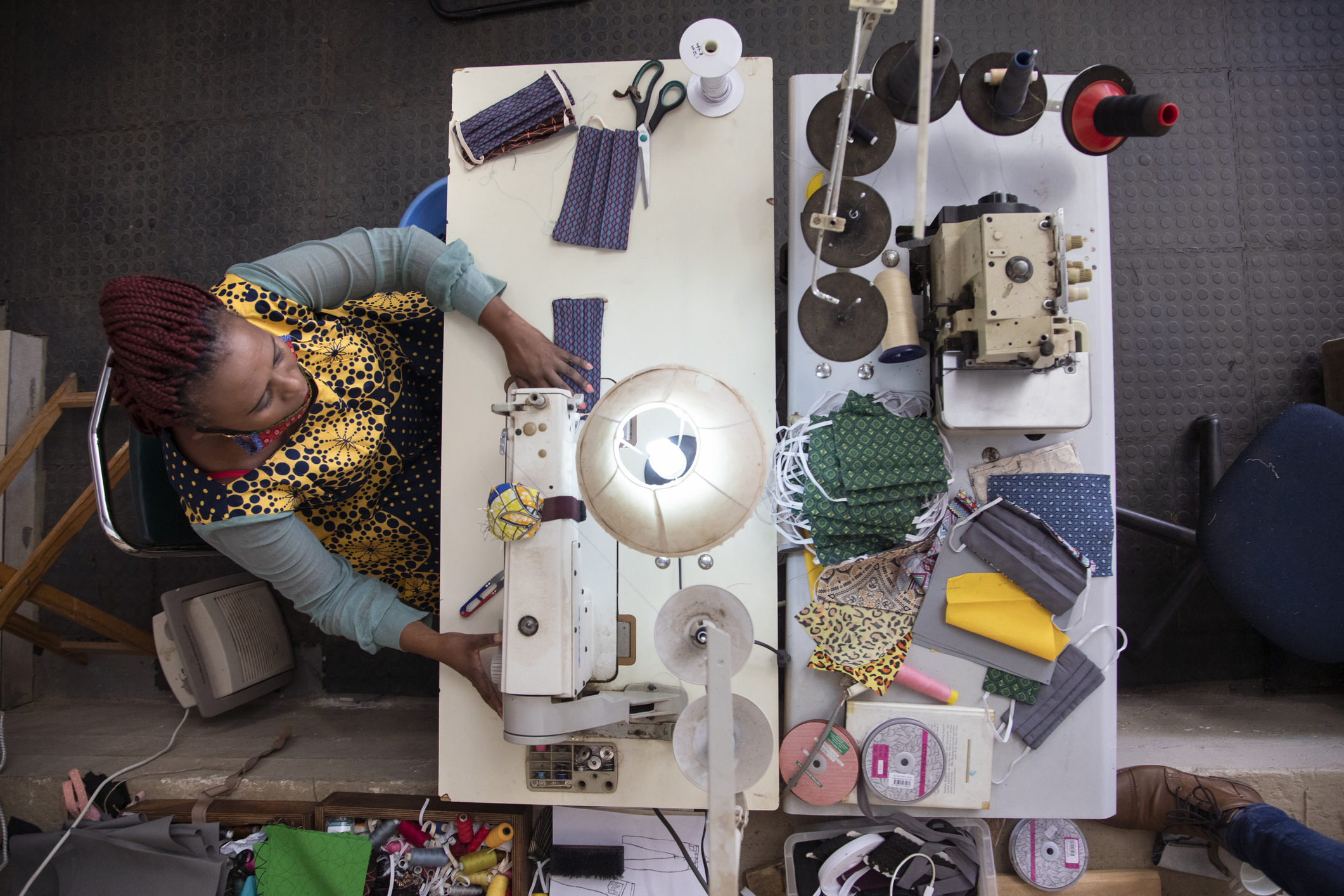
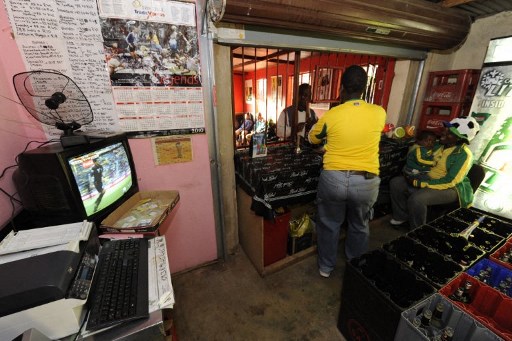
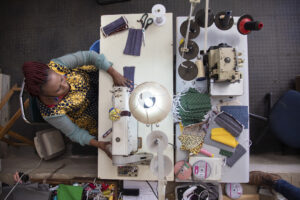
Township economies remain a cornerstone of South Africa’s GDP, driven largely by Micro, Small and Medium Enterprises (MSMEs). The declaration strongly reaffirms the need to support MSMEs as “engines of job creation and local development”, a description that fits township businesses almost exactly, given that they are overwhelmingly micro, small, informal and often youth driven. It further stresses the need to strengthen access to credit, digital payments, savings, insurance and broader financial inclusion, all of which are longstanding barriers that prevent township entrepreneurs from scaling their operations.
The declaration also highlights informal employment and underemployment as major threats to stability and growth, calling for policy action to expand economic access. While not labelled as such, this language aligns with the structural conditions shaping township economies. Township communities bear the brunt of South Africa’s inequality, unemployment and fragile social protection systems, and the declaration’s focus on addressing inequality through universal social protection floors, progressive taxation and redistributive policies speaks directly to these challenges.
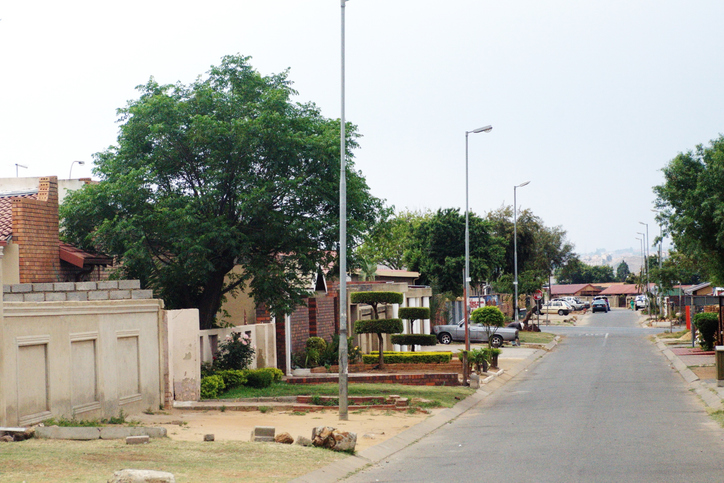
Townships have long been burdened by misconceptions and stereotypes. Minister in the Presidency Khumbudzo Ntshavheni addressed this directly when speaking to local and international media, noting: “Many people have said that Soweto is not safe, and look, you are at Nasrec, which sits here in Soweto.” Her comment underscored a broader narrative shift: the G20’s presence in Soweto symbolically reframed township spaces as hubs of potential, not perpetual vulnerability.
Although the United States did not endorse the declaration, President Cyril Ramaphosa formally handed over the G20 Presidency to the US for 2026 during his closing remarks. South Africa’s presidency, grounded in the philosophy of Ubuntu, leaves behind a legacy centred on solidarity, inclusion and rebalancing global economic governance, principles that resonate deeply with the future of the township economy.