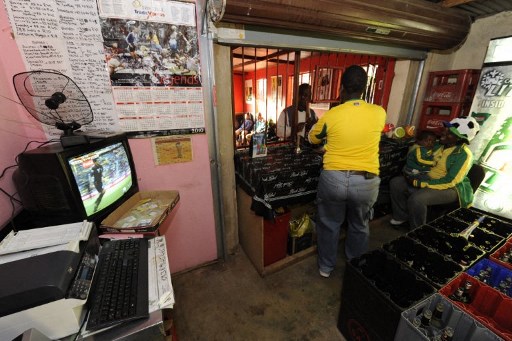
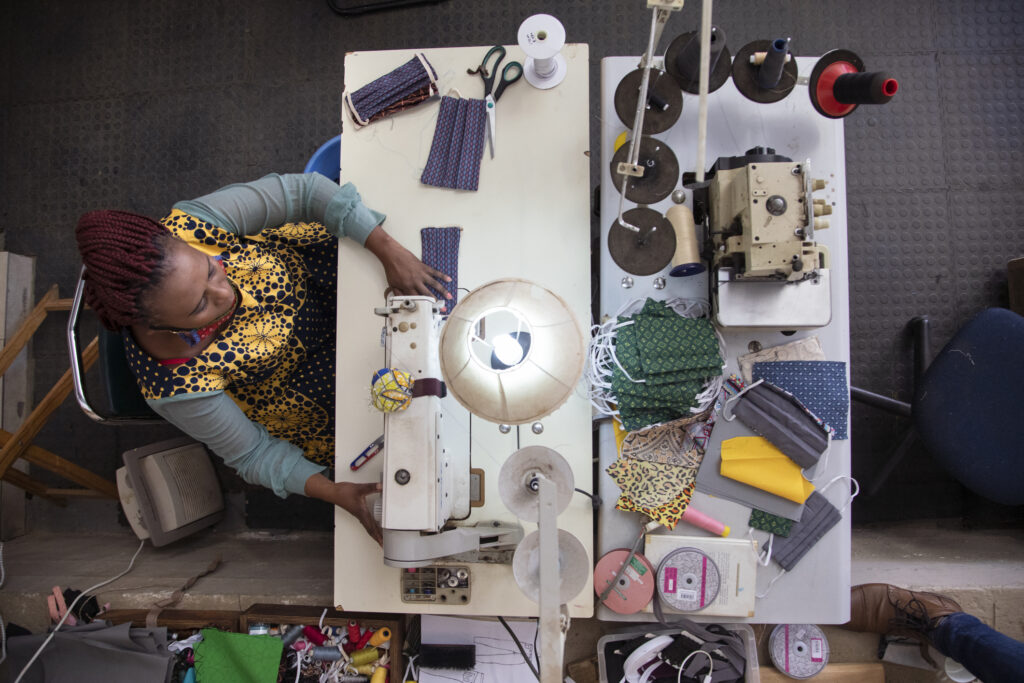
Nearly 80% of township businesses in South Africa remain unregistered, according to Standard Bank’s inaugural Township Informal Economy Report, released in Johannesburg this week. The findings shine a light on one of the country’s most vibrant yet underserved economic sectors — and the challenges that continue to hold township entrepreneurs back.
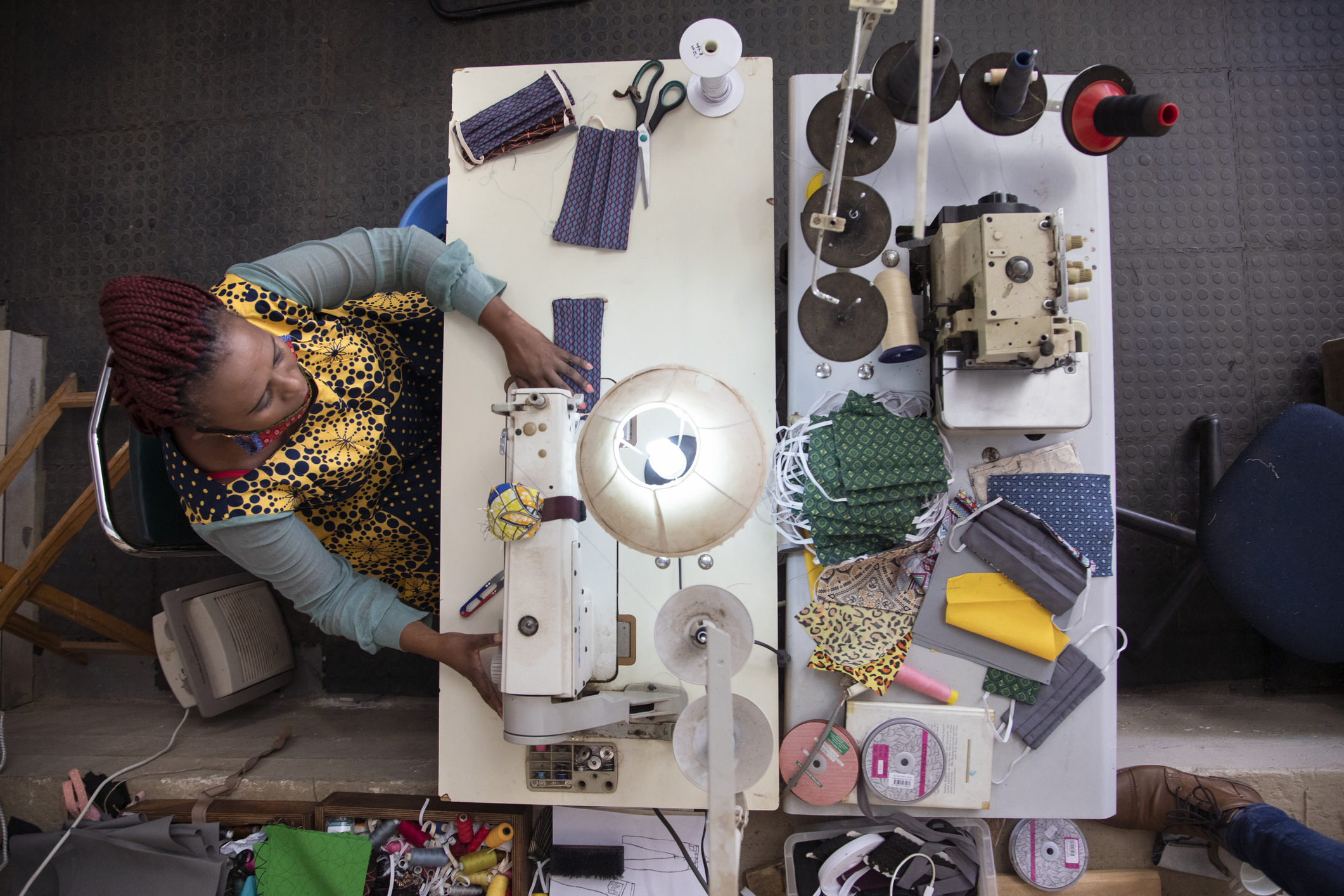
The report reveals that most township businesses still operate outside of formal regulatory systems such as VAT, labour, and tax compliance. This means that while they form the backbone of local economies, many remain excluded from access to funding, digital tools, and broader markets that could help them grow.
Despite these constraints, the township informal economy accounts for nearly 19.5% of total employment in South Africa (Stats SA, 2024). Valued at almost R1 trillion, this sector plays a vital role in driving local trade, employment, and community development.
“This report shows the structural challenges facing township entrepreneurs and what it will take to overcome them,” said Simone Cooper, Head of Business & Commercial Banking South Africa at Standard Bank. “With the right partnerships, township SMEs can move from survival to scale.”
Inside the Township Economy: Key Findings
The report, which surveyed businesses across Gauteng, KwaZulu-Natal, Western Cape, Limpopo, and North West, captured enterprises with annual turnovers between R100,000 and R50 million. Among its findings:
- 80% of businesses are unregistered, cutting them off from formal financial opportunities.
- Entrepreneurs often face up to 20 competitors per community, limiting profits.
- Only 9% have access to bank loans — most rely on personal savings or family support.
- While cash remains king, over 56% prefer EFT or bank transfers, signalling readiness for digital payment systems.
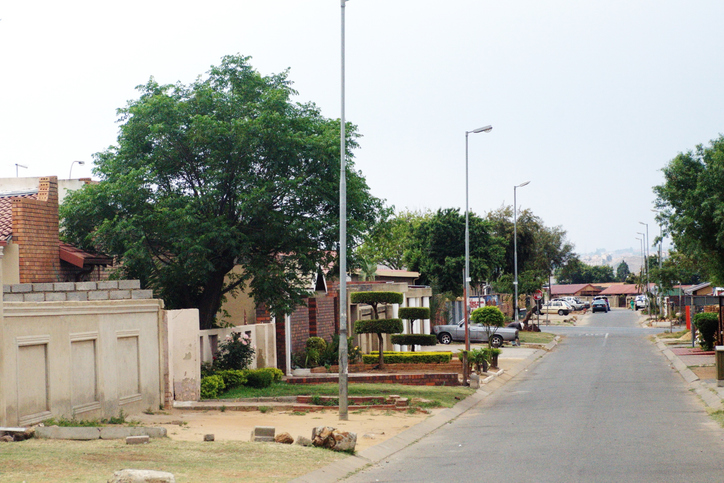
- Nearly half (49%) operate from homes or garages, with only 11% using commercial spaces.
- Many businesses contribute to their communities through sponsorships, youth programs, and local employment.
According to Naledzani Mosomane, Head of Enterprise and Supplier Development (ESD) at Standard Bank, the findings reflect both the resilience and the challenges of township entrepreneurs.
“For us at Standard Bank, it reinforces the importance of being close to our clients — listening to their needs and supporting them through every stage of their journey,” she said.
The bank says the report will help shape its small business offerings and partnerships with government, corporates, and development agencies, aimed at unlocking growth in the township economy. A major focus will be digital enablement, access to finance, and step-by-step support for formalisation.
As South Africa looks to grow inclusive and resilient economies, township enterprises are central to that vision. Reports like this one from Standard Bank not only quantify the scale of township business activity but also highlight the systemic change needed to move entrepreneurs from informal survivalism to sustainable growth.